Living in the Anthropocene: Documenting the Ecological Crisis and Humanity in Transition is a long-term documentary project that documents how environmental changes affect communities’ livelihoods, cultures, and identities.
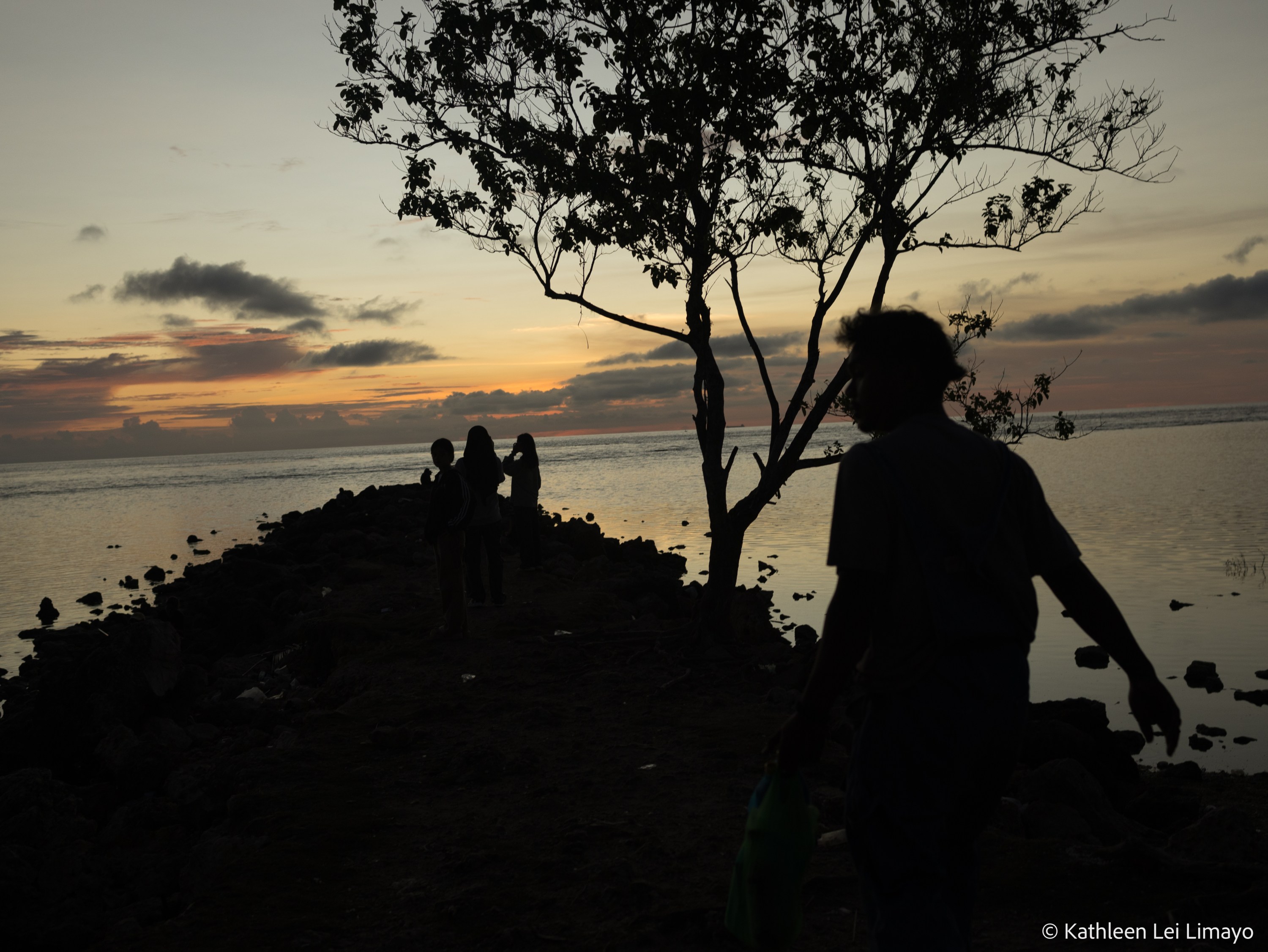
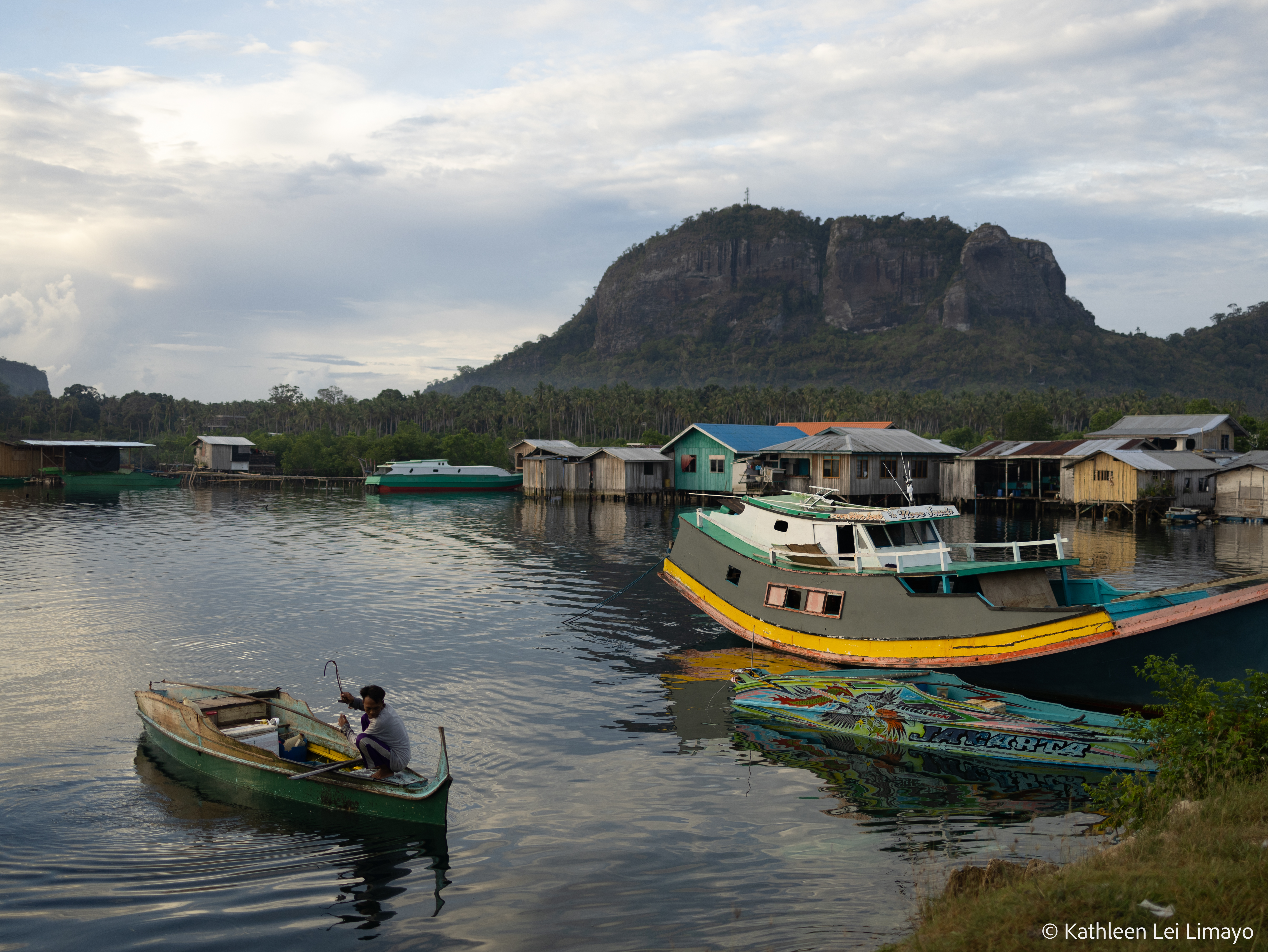
Tawi-Tawi City
Lying between the Celebes Sea and the Sulu Sea, the islands of Tawi-Tawi sit in one of the most biodiverse marine ecosystems in the Philippines, the Sulu-Sulawesi Marine Ecoregion.
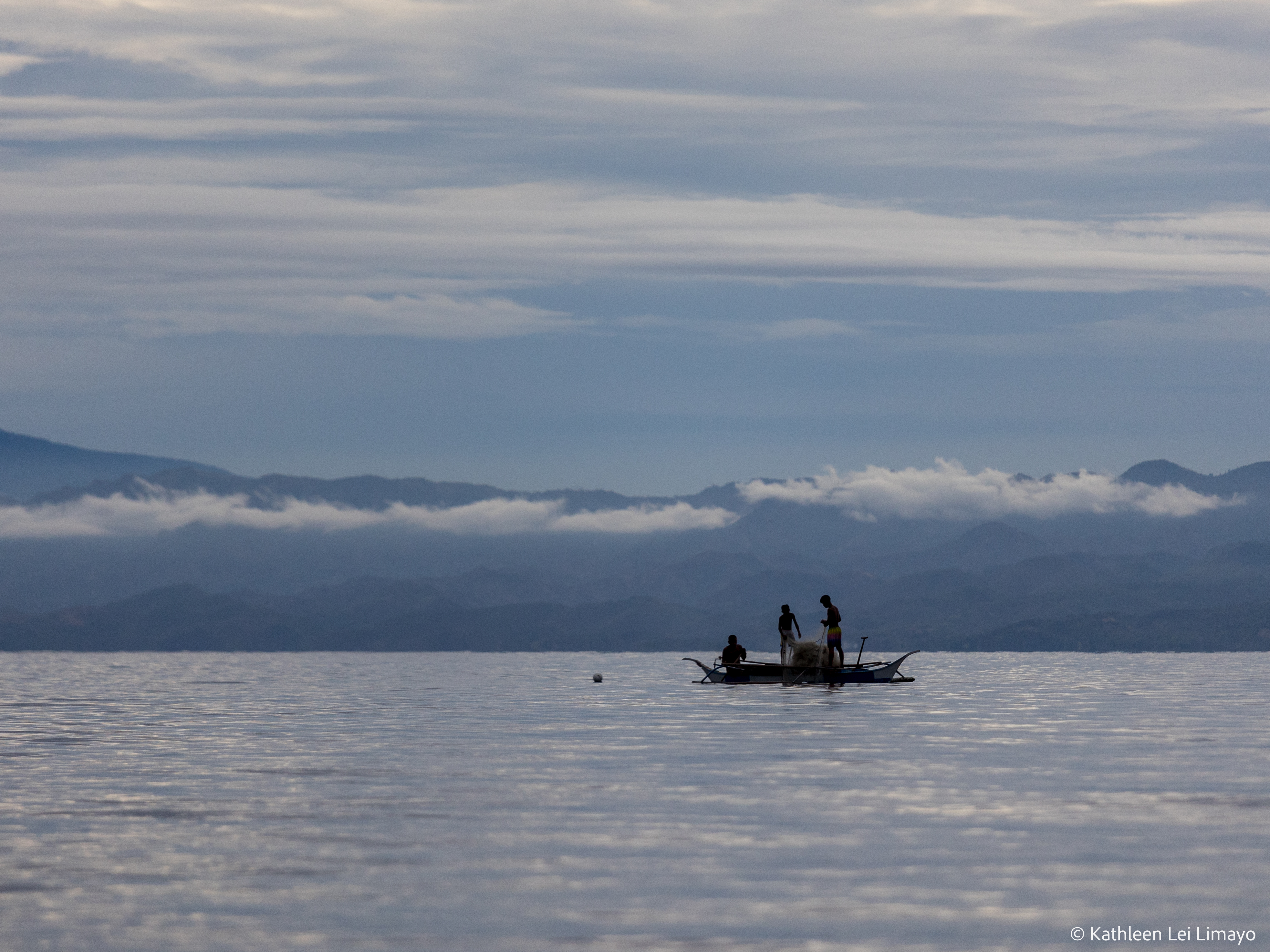
The increase in temperatures especially during El Niño has affected the quality of fisheries and aquaculture in the region. The reduction in harvest both of seafood and production of seaweeds. Sama Bajau and Sinama people who have natively inhabited the islands of Tawi-Tawi are heavily dependent on the sea for their livelihood.
Tañon Strait
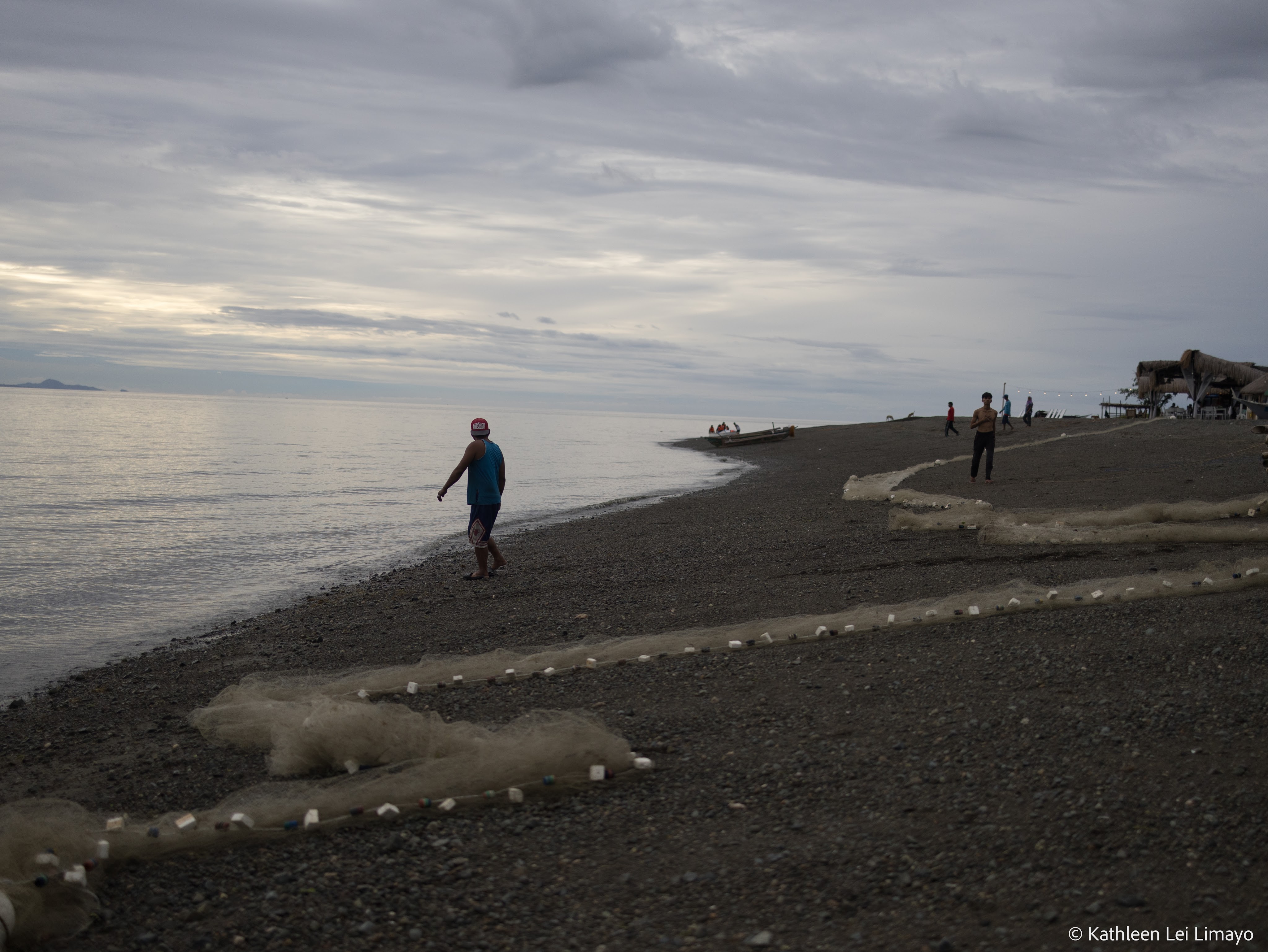
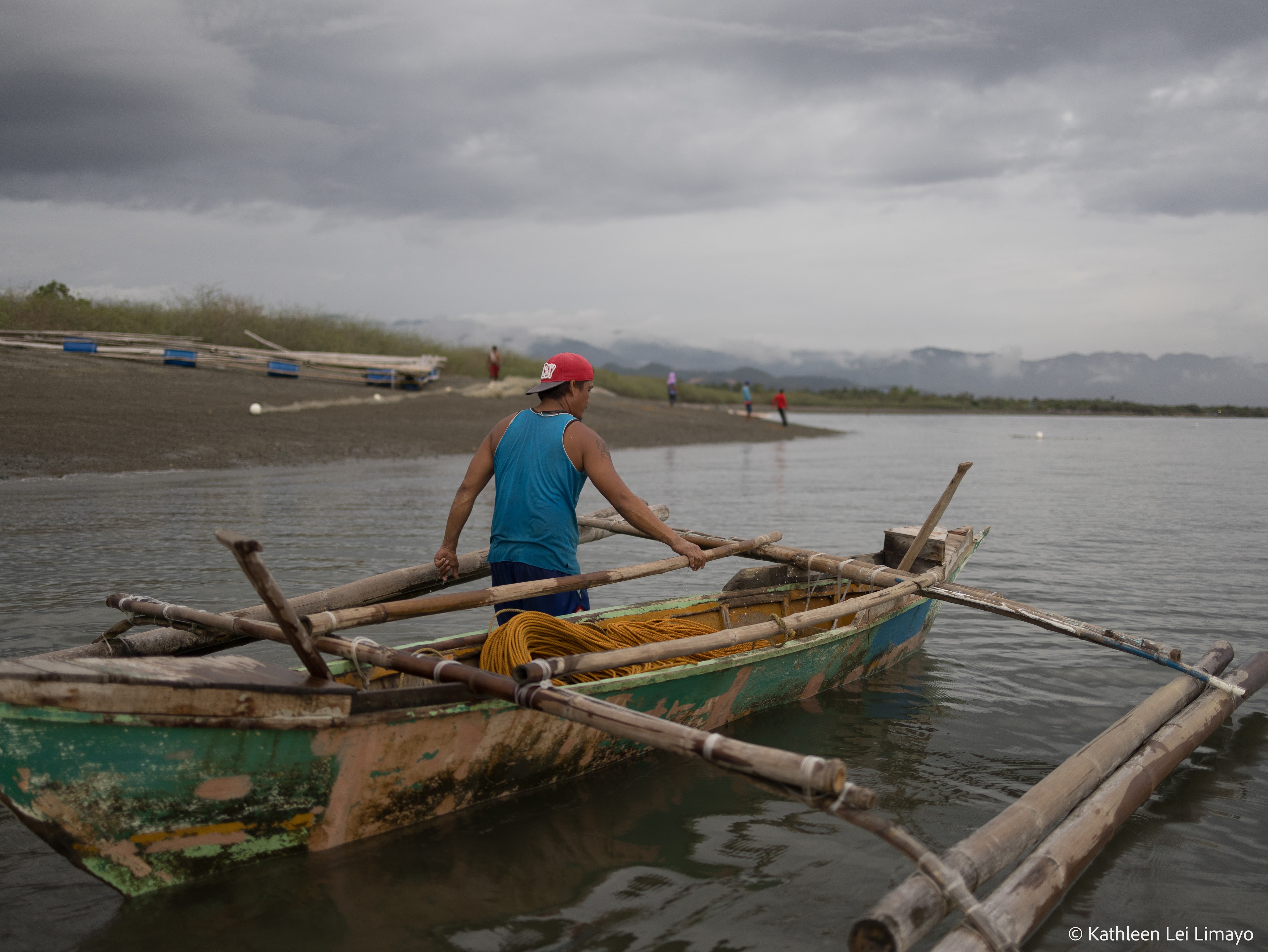
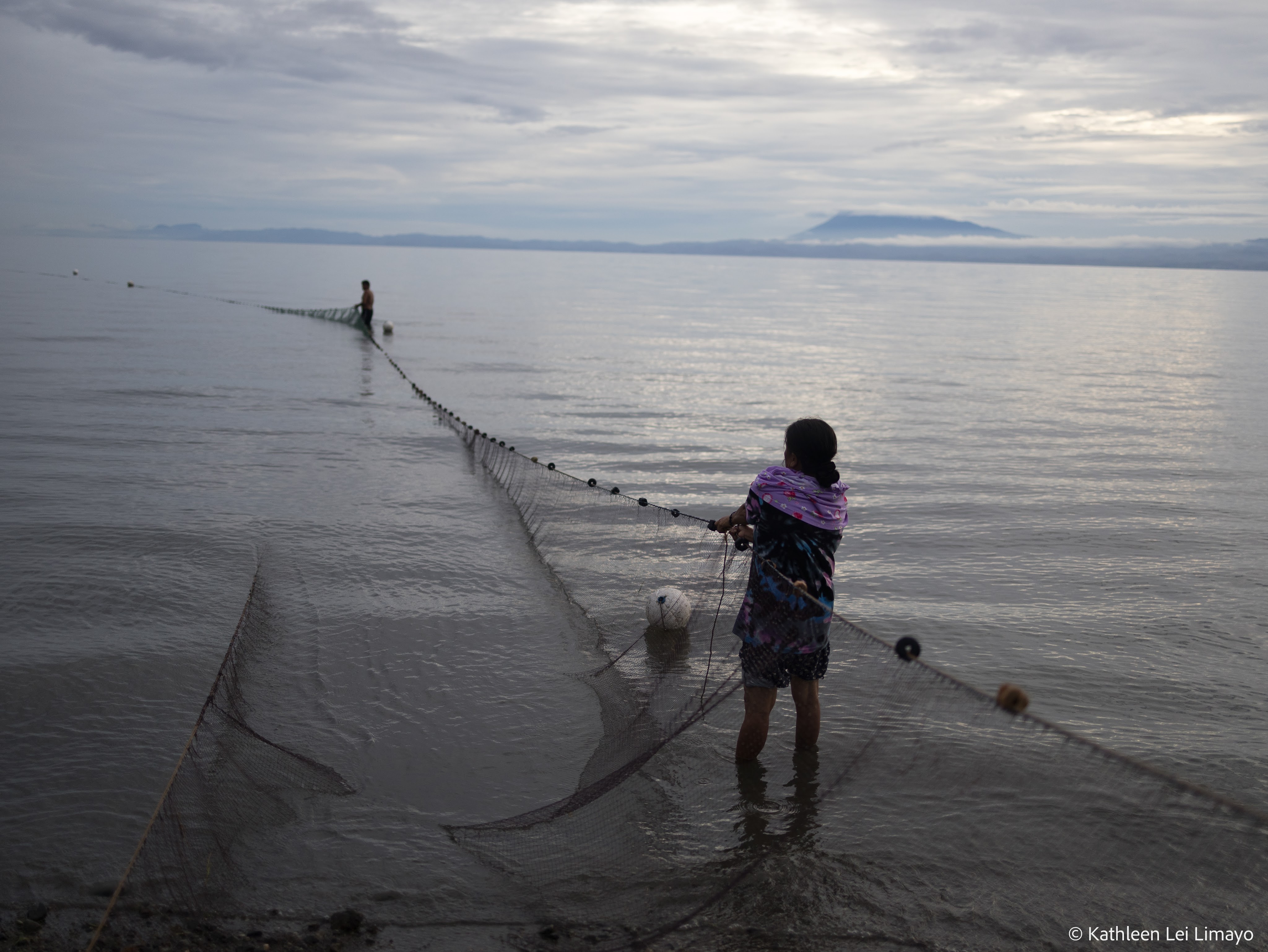
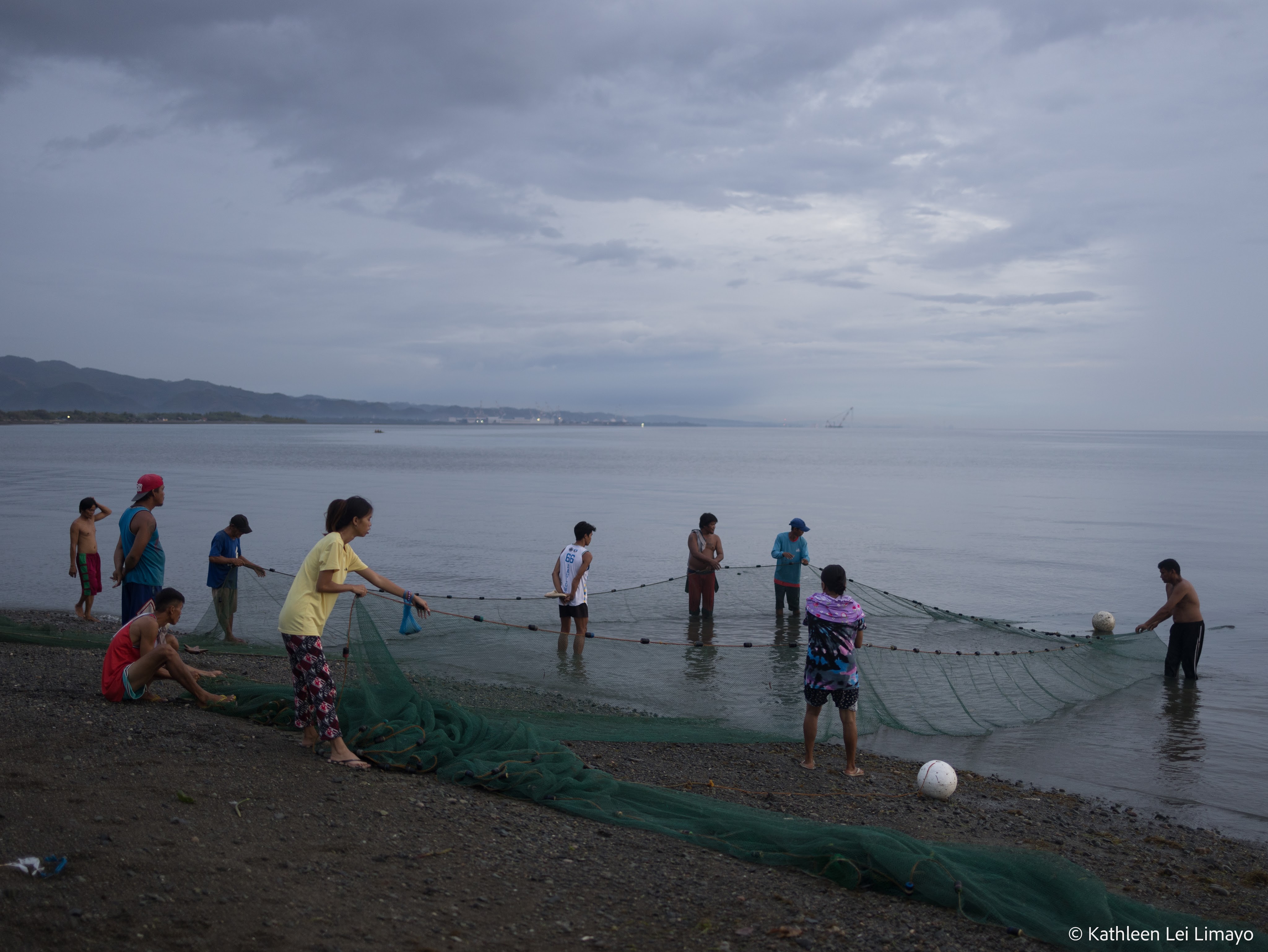
A fisherfolk community along Tañon Strait in Cebu engages in traditional fishing technique, paglalambat, as Typhoon Aghon passes by their province. As the global temperature continues to rise, weather conditions will become more and more unpredictable.
The livelihood of fisherfolk will be inconsistent as sea conditions become unreliable. Cebu was among the provinces that have experienced increase heat index due to El Niño. According to the fisherfolk community, extreme heat has caused a decline in their catch. The swift rains brought by Typhoon Aghon helped increase their catch using their nets.
 KATHLEEN LEI LIMAYO